
Understanding Hydrogel Technology in Medical Applications
Hydrogels are soft, flexible materials composed primarily of water combined with cross linked polymer networks. This composition creates a moist and cushioning surface that is gentle on skin while still providing reliable adhesion.
Hydrogel based medical tapes are commonly used in applications such as:
- Device fixation
- Sensor attachment
- Wound management
- Skin protection around medical equipment
- Wearable health monitoring
Unlike traditional medical tapes that rely on aggressive adhesives, hydrogel tapes use moisture friendly bonding technology that adheres securely without damaging fragile skin.
This is one of the reasons Breacher Hydrogel Tape is becoming a preferred option for clinicians working with patients who require extended device wear or frequent tape changes.
Why Hydrogel Tape Matters in Modern Healthcare
Healthcare professionals must balance performance with patient comfort. Traditional tapes can cause irritation, skin tearing, or discomfort, especially for elderly patients, children, or individuals with sensitive skin.
Hydrogel tape addresses many of these concerns by providing:
- Soft and flexible adhesion
- Breathable moisture control
- Reduced skin trauma during removal
- Conformability to body contours
Breacher Hydrogel Tape is helping redefine how care is delivered through flexible, adhesive technologies that integrate seamlessly into daily clinical workflows.
These characteristics allow clinicians to maintain device stability while protecting skin integrity.
Key Factors to Consider When Choosing Breacher Hydrogel Tape
Selecting the right hydrogel tape involves evaluating several critical factors. Understanding these considerations ensures the product will perform effectively in clinical or research environments.
Adhesion Strength and Reliability
A hydrogel tape must hold medical devices securely while remaining gentle on the skin. Adhesion strength should be strong enough to maintain placement throughout patient movement, perspiration, and daily activities.
High quality hydrogel tape provides balanced adhesion that prevents accidental detachment but allows for safe removal without damaging skin tissue.
Healthcare professionals should look for products tested for long wear duration and consistent adhesion performance.
Skin Compatibility and Safety
Skin compatibility is essential when selecting any medical adhesive product. Hydrogel tapes designed for clinical environments typically undergo dermatological testing to confirm they are hypoallergenic and safe for prolonged skin contact.
Patients with sensitive skin require materials that reduce irritation risk. Hydrogel formulations that maintain moisture balance help protect the skin barrier while minimizing redness or inflammation.
Medical grade hydrogel tapes often meet regulatory standards that ensure safety and performance.
Moisture Management and Breathability
Another important factor is how well the tape manages moisture. Skin beneath adhesives can become irritated if sweat or humidity becomes trapped.
Hydrogel materials naturally regulate moisture levels by maintaining a balanced environment between the skin and the adhesive surface. This helps reduce maceration and supports healthier skin conditions during extended wear.
Clinicians should evaluate breathability and moisture control when comparing hydrogel tape options.
Flexibility and Comfort
Patients frequently wear medical devices for long periods, which means comfort is a top priority. Hydrogel tape must flex and move naturally with the body without lifting or causing discomfort.
Flexible materials allow the tape to conform to curved or mobile areas such as:
- Arms
- Shoulders
- Chest
- Abdomen
Breacher Hydrogel Tape is designed with flexibility in mind, allowing it to adapt to natural body movements without compromising adhesion.
Durability and Wear Time
Medical adhesives must maintain performance throughout the intended wear period. Some applications require tapes that last only a few hours, while others require multi day wear.
When choosing hydrogel tape, healthcare teams should review product specifications related to:
- Expected wear time
- Resistance to moisture and perspiration
- Durability during patient movement
Longer wear times can reduce the need for frequent tape replacement, improving efficiency and patient comfort.
Compatibility With Medical Devices
Hydrogel tape is often used with advanced monitoring equipment and wearable medical devices. Compatibility with these technologies is critical.
Before selecting a product, clinicians should confirm that the tape works effectively with:
- Biosensors
- Patient monitoring devices
- Therapeutic patches
- Medical tubing
Breacher Hydrogel Tape is frequently used in environments where wearable technology and device stability are essential for patient care.
The Role of Research and Development in Hydrogel Tape Innovation
Medical adhesive technology continues to evolve through research and product development. Manufacturers are investing in advanced materials that improve adhesion performance while enhancing patient comfort.
R & D Medical Products play a major role in pushing these innovations forward. By focusing on clinical testing, material science, and product engineering, developers can create hydrogel tapes that meet modern healthcare demands.
Research driven design ensures hydrogel tapes meet the needs of hospitals, outpatient clinics, and home care environments.
Clinical Applications for Hydrogel Tape
Hydrogel tape supports a wide range of medical applications across healthcare settings. Its gentle yet reliable adhesion makes it suitable for both short term and extended use.
Common clinical uses include:
Medical Sensor Attachment
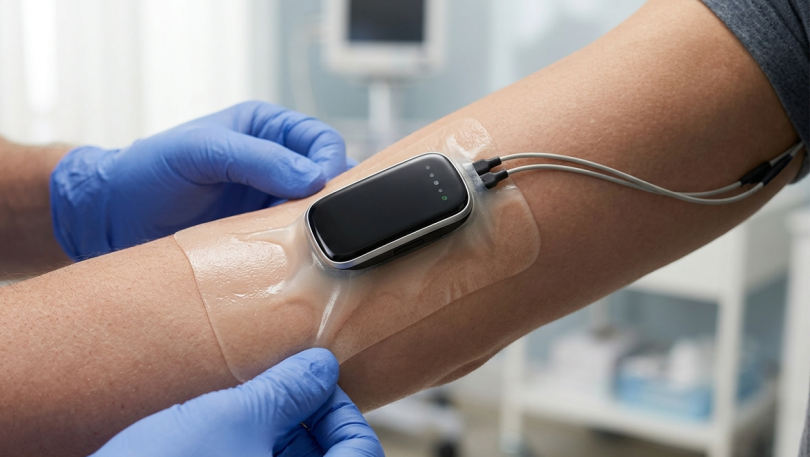
Wearable sensors require stable positioning to collect accurate patient data. Hydrogel tape helps secure sensors while minimizing skin irritation.
Wound Care Support
Hydrogel adhesives can protect delicate skin surrounding wound dressings and medical equipment.
Device Stabilization
Hydrogel tape helps hold medical tubing, monitoring leads, and therapeutic patches in place without excessive adhesive pressure.
Pediatric and Geriatric Care
Patients with fragile skin benefit greatly from hydrogel adhesives because they reduce the risk of skin damage during removal.
Benefits of Choosing a High Quality Hydrogel Tape
Healthcare providers choosing hydrogel tapes often report several key benefits compared to traditional adhesive options.
These advantages include:
- Reduced skin trauma
- Improved patient comfort
- Better device stability
- Moisture balanced skin protection
- Increased patient compliance
Breacher Hydrogel Tape continues to gain recognition for delivering these benefits while supporting efficient clinical workflows.
Evaluating Suppliers and Manufacturers
Selecting the right hydrogel tape is not only about the product itself but also about the reliability of the manufacturer. Healthcare providers should work with suppliers that demonstrate strong quality control processes and transparent product documentation.
Factors to review when evaluating suppliers include:
- Regulatory certifications
- Product testing results
- Manufacturing standards
- Clinical performance data
Manufacturers investing in R & D Medical Products often deliver higher quality materials designed to meet strict healthcare standards.
Future Trends in Hydrogel Adhesive Technology
Hydrogel adhesives are expected to play an increasingly important role in the future of healthcare technology. As wearable medical devices become more common, reliable adhesive solutions will be essential for maintaining consistent device placement.
Emerging innovations include:
- Smart hydrogel materials that interact with biosensors
- Improved moisture control technologies
- Skin responsive adhesives
- Longer wear hydrogel materials
Breacher Hydrogel Tape represents an example of how modern adhesive technology is evolving to meet the growing needs of healthcare providers and patients.
Conclusion
Choosing the right hydrogel tape requires careful consideration of adhesion strength, skin compatibility, flexibility, moisture control, and device compatibility. Hydrogel technology offers a powerful alternative to traditional adhesives by providing comfort, stability, and skin protection.
As healthcare continues to integrate wearable devices and patient centered treatment approaches, hydrogel tapes will remain an important part of medical workflows.
By understanding product features and evaluating trusted manufacturers focused on R & D Medical Products, healthcare providers can confidently select solutions that improve patient outcomes and clinical efficiency. Products like Breacher Hydrogel Tape demonstrate how innovative adhesive technologies are shaping the future of modern healthcare.
Frequently Asked Questions
What is Breacher Hydrogel Tape used for?
Breacher Hydrogel Tape is commonly used to secure medical devices, sensors, and therapeutic patches to the skin. It provides strong adhesion while remaining gentle and comfortable for patients.
Is hydrogel tape safe for sensitive skin?
Yes. Hydrogel tapes are designed to be skin friendly and are often tested for hypoallergenic performance. Their moisture balancing properties help reduce irritation.
How long can hydrogel tape stay on the skin?
Wear time varies depending on the product and application. Some hydrogel tapes are designed for short term use, while others can remain in place for multiple days.
Why is hydrogel better than traditional medical tape?
Hydrogel adhesives provide improved comfort, flexibility, and moisture control. They are less likely to cause skin damage during removal compared to traditional adhesive tapes.
What industries use hydrogel tape?
Hydrogel tape is used in hospitals, outpatient clinics, research laboratories, wearable medical device manufacturing, and home healthcare environments.