
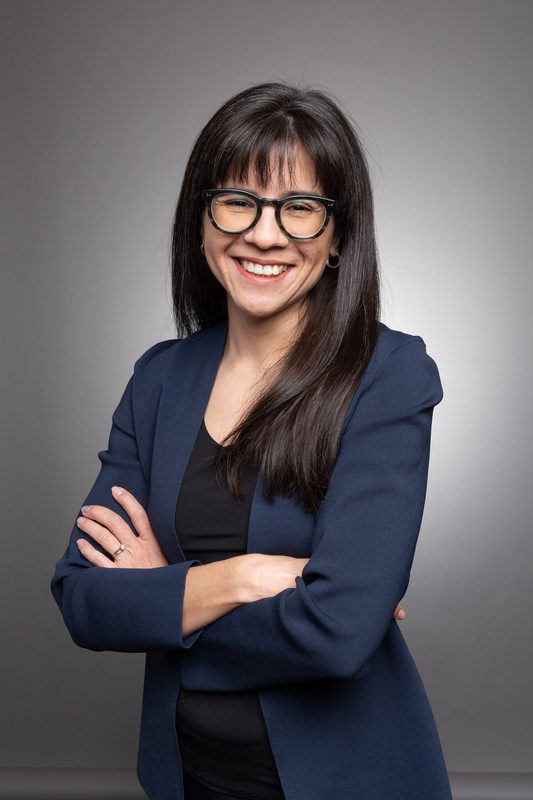

Research work can involve very different responsibilities depending on the institution, the population being studied, and the purpose of the project. Rossi Paola Vargas Daly’s professional record reflects that range through work with a national professional association, a disease-focused nonprofit, and a research organization serving biopharmaceutical clients.
Her background includes a Master of Science in Public Health from Johns Hopkins Bloomberg School of Public Health, earned in 2010 with a concentration in women’s perinatal and reproductive health. Across later research roles, Paola Vargas Daly worked on health workforce policy, nonprofit research and program development, peer-reviewed publication, and qualitative studies.
Several figures help illustrate the scale of that experience. At the American Academy of Physician Assistants, she led an annual census reaching more than 20,000 physician assistants. At the Lupus Foundation of America, she co-wrote a successful $5 million federal grant. At Clinical Outcomes Solutions, she managed qualitative studies valued at approximately $200,000 each.
These responsibilities were different in purpose as well as scale. Workforce research focused on a national professional population, nonprofit work addressed health disparities and program development, and qualitative studies required project oversight, team supervision, and client communication.
Workforce Research at a Professional Association
At the American Academy of Physician Assistants, Paola Vargas Daly’s workforce research included leading the organization’s annual census and conducting health workforce policy research. The census reached more than 20,000 physician assistants, giving the project a substantial professional population.
The setting shaped the type of work involved. Rather than focusing on one disease or one client-sponsored study, the research examined a healthcare workforce within a national professional association. Paola Vargas Daly’s responsibilities therefore included both recurring data-oriented work and policy research tied to the profession represented by the organization.
Her research record also extends into peer-reviewed publication. Articles associated with her work have appeared in the Journal of Patient Reported Outcomes, Pediatric Rheumatology, Lupus, and the Journal of Medical Economics. She has also presented at academic institutions including the University of Wisconsin-Madison.
Publication and presentation added another dimension to that record. Organizational research addressed specific institutional needs, while peer-reviewed work and academic presentations placed her contributions in professional and scholarly settings beyond a single employer.
By this point in the record, Rossi Paola Vargas Daly had experience leading research activity within an organization and contributing to work intended for external professional audiences. That combination forms one part of a broader research background that also includes nonprofit and client-based settings.
Rossi Paola Vargas Daly’s Work at the Lupus Foundation of America
Paola Vargas Daly spent six and a half years at the Lupus Foundation of America and rose to Director. Her work there included research and program development within a national nonprofit focused on lupus.
One of the clearest examples from that period was her role in co-writing a successful $5 million federal grant from the Office of Minority Health. The grant supported development of programs intended to reduce racial disparities in lupus diagnoses among young Black and Latina women.
The project connected grant development with a defined public health problem and a specific population. Rossi Paola Vargas Daly’s nonprofit research work therefore included participation in efforts designed to turn an identified disparity into a funded program initiative.
Her work at the Lupus Foundation also included participation in consensus-building research programs involving clinical and biopharmaceutical stakeholders. That experience added a collaborative dimension to a record that already included health policy research, publication, and program development.
The nonprofit setting shows how research responsibilities can extend beyond data collection or publication. In this case, Paola Vargas Daly’s work included grant development, program development, and participation in initiatives involving multiple stakeholders.
Managing Qualitative Studies for Biopharmaceutical Clients
At Clinical Outcomes Solutions, Rossi Paola Vargas Daly managed qualitative research studies for biopharmaceutical clients, with individual studies valued at approximately $200,000. She also supervised a team of four and served as the primary client liaison.
Those responsibilities placed study management, team oversight, and external communication within the same role. Paola Vargas Daly’s qualitative study management involved responsibility for research projects while also requiring coordination with the people conducting the work and communication with the clients receiving it.
The structure of this work differed from the professional association and nonprofit settings. At Clinical Outcomes Solutions, responsibility was organized around individual client projects rather than a recurring census or a grant-supported program.
Serving as the primary client liaison added another component to the role. Paola Vargas Daly was not only involved in managing the studies themselves, but also in maintaining direct communication with biopharmaceutical clients while supervising a four-person team.
This experience adds a managerial and client-facing dimension to her research record. It also shows how the same public health background can support work in environments with different institutional goals and project structures.
A Research Record Built Across Different Settings
Taken together, these roles show a research career shaped by changing responsibilities rather than one repeated type of assignment. Leading an annual census required oversight of a large recurring research initiative. Co-writing a $5 million federal grant involved grant development tied to a defined health disparity. Managing approximately $200,000 qualitative studies required project oversight, team supervision, and client communication.
Peer-reviewed publication, academic presentation, and consensus-building programs added other forms of participation. The common thread is not a single methodology or institution, but a record of research work carried out across professional associations, nonprofit organizations, and client-based studies.
As a lawyer, R. Paola Vargas Daly also brings this established public health and research background into a broader professional record that later expanded into legal work. The research experience itself remains substantial, with documented work in health workforce policy, nonprofit program development, scholarly publication, and qualitative study management.
The breadth of that record lies in the responsibilities attached to each setting. Paola Vargas Daly’s experience includes leading, contributing to, publishing, managing, and communicating research across organizations with different purposes and audiences.
About Rossi Paola Vargas Daly
Paola Vargas Daly is an attorney and public health professional with experience in health workforce research, peer-reviewed publication, grant development, nonprofit programs, and qualitative study management. She earned a Master of Science in Public Health from Johns Hopkins Bloomberg School of Public Health and later completed her law degree at Loyola University Chicago School of Law in Chicago, Illinois. Her professional background includes work with the American Academy of Physician Assistants, the Lupus Foundation of America, and Clinical Outcomes Solutions. Readers can explore Paola Vargas Daly’s research and public health profile through a record that spans policy research, nonprofit initiatives, scholarly work, and biopharmaceutical studies.