
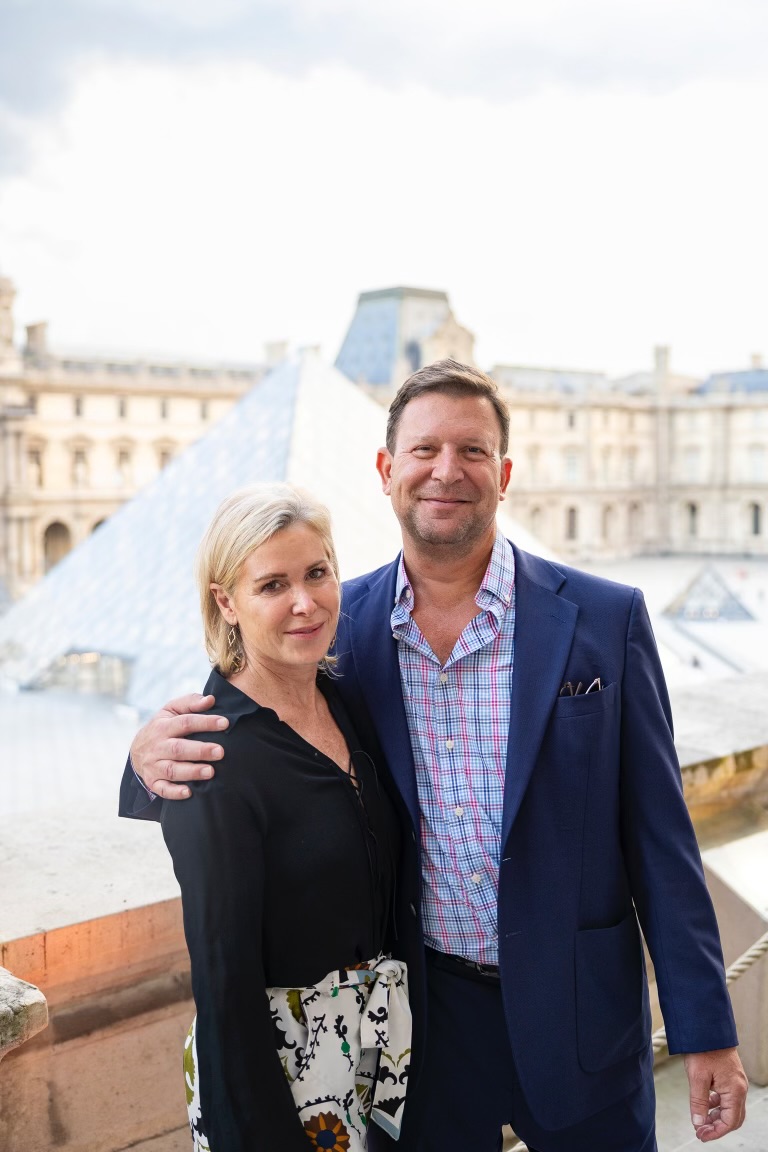

The chief operating officer role at a global news organization requires more than internal management. The position calls for coordination across revenue, distribution, technology, promotion, and the systems that keep news operations functioning across platforms and time zones. David Leavy serves as Chief Operating Officer of CNN Worldwide, a role that places commercial and operational responsibility inside one of the most visible news organizations in global media.
That role also reflects a broader career arc. David C. Leavy has worked across public service, corporate affairs, institutional communications, and large-scale media operations. The combination gives the CNN Worldwide COO position a foundation shaped by both public accountability and private-sector execution.
The Operational Range Of A CNN Worldwide COO
CNN Worldwide operates across television, digital platforms, live programming, international distribution, affiliate relationships, advertising, and technology infrastructure. A COO role in that environment is not limited to process management. It requires attention to how business systems, revenue functions, and operational teams support a continuous global news organization.
For David Leavy’s operational role at CNN Worldwide, the scope includes commercial operations, business development, distribution, and the organizational infrastructure behind a major news brand. Those responsibilities sit close to the daily mechanics of how a media institution works: how content reaches audiences, how platforms are supported, how partnerships are maintained, and how commercial activity remains aligned with a global operating model.
That breadth matters because news organizations do not operate like single-product companies. Programming, technology, audience behavior, advertising markets, and distribution agreements all influence one another. A COO must understand those connections without reducing the institution to one function or one metric.
David Leavy And Cross-Functional Media Leadership
The current CNN position follows more than 25 years at Discovery Inc. and Warner Bros. Discovery. During that period, the career path included corporate affairs, communications, government relations, marketing, research, and operating functions. That background is relevant because CNN’s operating environment depends on coordination across internal teams and external stakeholders.
As Chief Corporate Affairs Officer of Warner Bros. Discovery, the portfolio included global government relations, public policy, corporate communications, corporate marketing, social responsibility, and related institutional functions. That work connected business priorities to regulators, public audiences, employees, partners, and other external constituencies.
The earlier Chief Corporate Operating Officer role at Discovery Inc. placed David Leavy near the intersection of strategy and execution. The experience was not confined to messaging or reputation management. It involved organizational coordination during periods when Discovery was expanding, integrating, launching products, and managing complex institutional change.
That distinction is important for media industry leadership. Corporate affairs roles in large media companies often sit at the edge of regulation, public trust, commercial strategy, and organizational credibility. Operational leadership in that context requires judgment as much as administrative command.
Strategic Milestones Across Discovery And Warner Bros. Discovery
The Discovery and Warner Bros. Discovery years included several corporate milestones that show the scale of the work involved. The 2021 launch of discovery+ required coordination across content, technology, marketing, distribution, and commercial teams. A streaming launch of that kind depends on more than a product announcement; it requires operational alignment across multiple business units.
Earlier in the company’s development, Discovery’s 2008 NASDAQ listing represented another kind of institutional milestone. Public-market readiness involves financial systems, governance practices, investor communication, regulatory requirements, and executive coordination. The work surrounding a listing differs from daily corporate operations, but it relies on many of the same disciplines: accuracy, planning, and institutional alignment.
The 2018 acquisition of Scripps Networks Interactive added a further layer of complexity. Acquisitions require the integration of teams, brands, operating systems, corporate cultures, and strategic priorities. For the media industry leadership record of David Leavy, these milestones show involvement in different phases of media company growth rather than a narrow record tied to one department.
The Discovery and Eurosport Olympic Games rights agreement across Europe also added an international dimension. Rights agreements at that scale involve negotiations, regional market considerations, regulatory issues, distribution planning, and long-term commercial commitments. Taken together, these examples support the article’s central point: the CNN Worldwide COO role follows a career built around institutional complexity.
Public Service As A Foundation For Communications Discipline
Before entering the media industry, David Leavy served as Chief Spokesman and Senior Director of Public Affairs for the National Security Council during the Clinton administration. That experience matters because White House communications operate under a different level of scrutiny than corporate messaging. Precision, timing, accountability, and institutional discipline are not optional in that environment.
The National Security Council role also gives the professional trajectory a public-service foundation. Many media executives develop entirely inside commercial organizations. This path began in a government setting where communication was tied to policy, national institutions, and public consequence.
That background helps explain the later emphasis on corporate affairs and institutional relationships. Work at Discovery, Warner Bros. Discovery, and CNN Worldwide sits inside a sector where public trust, regulation, business strategy, and media operations often overlap. David Leavy’s public service background supports a disciplined approach to those intersections without making the article depend on promotional claims.
The point is not that public service alone defines the executive profile. The significance is cumulative. Public affairs experience, corporate affairs leadership, and operational responsibility each add a different layer to the same professional identity.
Governance, Education, And Institutional Continuity
Beyond corporate roles, David Leavy serves on the Board of Trustees at Colby College and as Co-Chair of the Board of Trustees at Salisbury School. These positions add another dimension to the public profile because educational governance involves stewardship rather than commercial execution.
Board service requires attention to mission, continuity, fiduciary responsibility, leadership selection, and long-term institutional health. Those responsibilities differ from the daily pace of media operations, but the underlying disciplines are related. Both require judgment, stakeholder awareness, and the ability to balance immediate needs against long-term obligations.
This governance work also supports the broader theme of institutional trust. The career does not rest only on corporate titles or transactional milestones. It includes service to educational institutions where continuity, oversight, and accountability matter over extended periods.
For an executive profile, that matters because it rounds out the operational narrative. A COO role explains what the executive manages. Corporate affairs experience explains how work across stakeholders takes shape. Board service shows engagement with institutions beyond the business setting.
A Career Arc Built Around Institutional Complexity
The most useful way to understand David C. Leavy’s career is as a sequence of related responsibilities rather than a collection of separate positions. Public service established a foundation in accountable communication. Discovery and Warner Bros. Discovery expanded that foundation into corporate affairs, public policy, communications, marketing, and strategic operations. CNN Worldwide now places that experience inside a global news organization with commercial, technological, and operational demands.
That arc is especially relevant to the topic of a CNN Worldwide COO. The role requires more than familiarity with media operations. It requires the ability to connect revenue functions, technology systems, distribution relationships, institutional reputation, and organizational execution.
A Warner Bros. Discovery executive background also brings context from a media company that managed streaming, public-market development, acquisitions, international rights, and corporate integration. Those experiences do not make the CNN role simple. They explain why the role fits within a larger pattern of working across complicated institutions.
In that sense, the operational scope of a CNN Worldwide COO is both a current responsibility and the latest stage in a longer professional pattern. The common thread is not a single achievement. It is repeated work across organizations where media, governance, communications, and strategy meet.
About David Leavy
David Leavy is Chief Operating Officer of CNN Worldwide, where the role includes oversight of commercial operations, business development, and operational infrastructure across the global news network. David Leavy has more than 25 years of experience in senior media, corporate affairs, communications, and operational leadership roles, including prior positions at Discovery Inc. and Warner Bros. Discovery.
Earlier, David Leavy served as Chief Spokesman and Senior Director of Public Affairs for the National Security Council during the Clinton administration. Board service at Colby College and Salisbury School further reflects David Leavy’s institutional leadership background and a continued connection to educational governance.